Custom Kitchen Cabinets in Saratoga Springs, NY: A Homeowner's Guide
Key Takeaways
Investing in refined storage solutions ensures your home remains both functional and visually striking for years. This guide explores the essential considerations for planning your next renovation project.
- Custom cabinetry allows for complete utilization of odd-shaped kitchen nooks.
- High-quality wood selection prevents warping during harsh winter climate shifts.
- Professional design consultations help homeowners visualize layouts before construction begins.
- Choosing premium hardware significantly extends the lifespan of kitchen cabinet doors.
- Skilled installation guarantees a seamless, gap-free fit for every built-in unit.
The benefits of custom kitchen cabinets in Saratoga Springs, NY
The local architecture in Upstate New York often displays historic charms that standard retail units simply cannot accommodate. By working with specialists like Home Expressions Custom Cabinetry, residents find that their specific spatial limitations become design opportunities rather than obstacles.
Maximizing storage in unique kitchen layouts
Many kitchens in our region feature sloped ceilings or corners that standard off-the-shelf cabinets fail to utilize effectively. Custom furniture allows for full-height storage and hidden compartments that keep work surfaces clear. You can transform your space by integrating specialized drawers and clever pull-outs tailored to your specific cooking habits.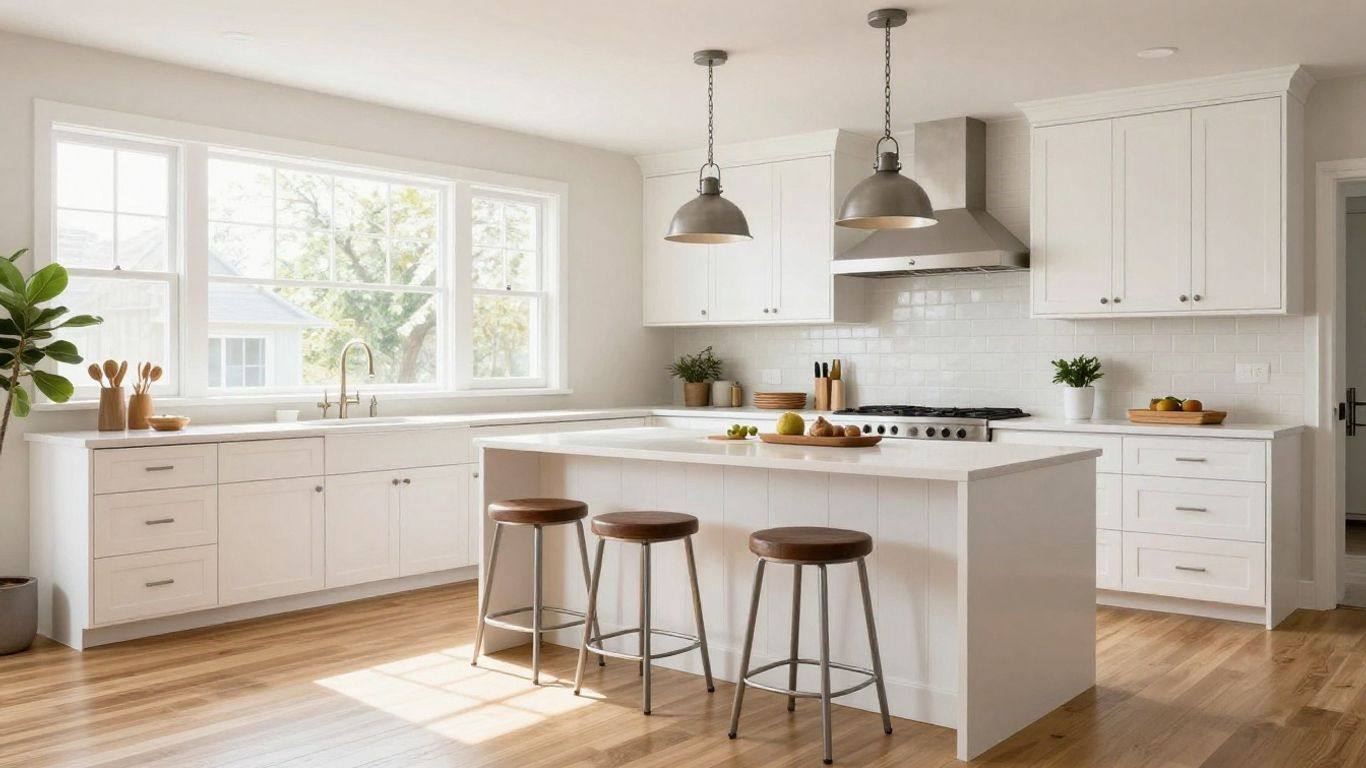
Superior craftsmanship and durability compared to mass-produced units
Hand-crafted pieces benefit from materials that are built to tolerate regional humidity fluctuations. While factory cabinets rely on particle board, custom built-ins often utilize high-density plywood and solid hardwood frames. This ensures that heavy cookware and frequent use do not compromise drawer glides or hinge performance over time.
Creating a one-of-a-kind aesthetic for your living space
Every homeowner deserves a kitchen that reflects their personal taste rather than a generic showroom catalog. Crafting bespoke units means you select the wood grain, stain depth, and door profile that best resonates with your vision, yielding a result that is truly one of a kind and visually cohesive with the rest of your home.
Choosing the right style for your home
Selecting a design direction requires balancing timeless appeal with the practical reality of daily use. Whether you prefer the sharp lines of modern minimalism or the warmth of traditional woodwork, the goal is to align your cabinets with your home's structural character.
Modern and industrial design trends popular in Saratoga kitchens
Clean, flat-panel cabinets continue to dominate, paired often with matte black hardware or integrated touch-to-open mechanisms. These systems create a sense of streamlined order that complements stainless steel fixtures and minimalist shelving. To ensure your kitchen functions as well as it looks, consider these basic organizational layout types:
| Kitchen Layout | Best For | Storage Potential |
|---|---|---|
| U-Shaped | Large families | High |
| L-Shaped | Open floor plans | Medium |
| Galley | Small homes | Optimized |
By selecting a configuration that matches your specific household needs, you create an environment that minimizes unnecessary movement while cooking.
Incorporating traditional Adirondack or rustic farmhouse influences
Regional history often inspires homeowners to introduce warm cherry or oak finishes that ground the kitchen in a rustic aesthetic. Using raised-panel doors and antique-style bronze pulls can evoke that classic, cozy feeling found in many local homes. This approach works best when you prioritize natural finishes that highlight the texture of the wood.
Balancing interior aesthetics with functional cabinet hardware and accessories
Hardware choice might seem like an afterthought, but it serves as the tactile connection between you and your cabinetry. High-quality hinges should operate silently, while drawer slides should offer total extension so every inch of your storage area is accessible. Many homeowners appreciate how Home Expressions Custom Cabinetry prioritizes these small but critical details during the planning stage.
Material selection and quality finishes
Choosing the foundation of your cabinets is the most important decision for long-term satisfaction. Hardwood species like maple and cherry are popular in our climate, but the quality of the finish application is what determines longevity.
Hardwood and veneer options suited for regional temperature changes
Our local climate involves wide swings in humidity, from humid summers to dry, heated winters. Selecting kiln-dried materials is essential to minimize wood movement that causes paint to crack at the seams. Using veneers over stable plywood cores can further reduce the risk of warping compared to solid wood that may not have been properly seasoned.
Eco-friendly and sustainable material choices
There is a growing demand for responsibly sourced forest products among local homeowners. Choosing low-VOC stains and finishes not only protects your indoor air quality but also supports healthier manufacturing practices. Prioritize suppliers that can verify the origin of their lumber and the chemical composition of their sealers to ensure a sustainable outcome.
Assessing the durability of high-quality paints, stains, and clear coats
A professional grade finish should provide a glass-like barrier that repels water and prevents kitchen grease from embedding into wood pores. Professionals often use specialized spray booths to ensure an even coat that won't peel or chip prematurely. The application process should follow a systematic approach:
- Sanding wood surfaces to ensure proper adhesive bond
- Applying grain fillers for uniform texture
- Spraying multiple base coats for color depth
- Sealing with a high-durability clear topcoat
- Curing in a climate-controlled environment
These steps collectively result in cabinetry surfaces that are easy to wipe down and highly resistant to normal wear.
Custom versus stock and semi-custom cabinetry
Distinguishing between cabinet tiers helps in managing expectations for both cost and project timeline. While stock cabinets represent the fastest option, custom projects offer flexibility that is physically impossible with factory-manufactured goods.
Understanding the long-term price points and value proposition
Custom cabinetry functions as a capital improvement that adds direct value to your home. While the initial investment might be higher than flat-pack or big-box store products, the lack of premature failure often makes them more economical over several decades. You are essentially paying for the precision of American-made labor and the guarantee that the unit fits exactly where it should.
Evaluating space constraints within older versus newer floor plans
Older homes in Saratoga often feature irregular wall angles (the common non-90-degree corner) that require scribe-fit precision. Custom makers build specifically for the reality of your walls, rather than forcing your home to conform to the dimensions of a mass-produced box. This is particularly relevant when performing a custom kitchen renovation in properties aged over fifty years.
Comparing procurement lead times for project completion
Stock cabinets are generally available immediately or with short shipping times, but you sacrifice quality and fit. Custom design involves a design-production cycle that typically spans several weeks, which is necessary to ensure each piece meets high standards. By planning your project during the off-season, you can secure better scheduling and avoid rushed production during busy construction months.
Navigating the local design and installation process
Managing a renovation requires transparency between the designer and the contractor. A clear timeline prevents the mid-project confusion that often stalls renovations and causes budgets to blow out.
Importance of initial consultations and professional site measurements
Before a single board is cut, a pro must visit your kitchen for exacting measurements. A millimeter off at the wall can result in a significant gap at the countertop. These early sessions act as an insurance policy for your investment, ensuring your final layout reflects the space accurately.
Reviewing comprehensive 3D renderings and physical material samples
Computerized blueprints allow you to walk through the layout virtually before construction. Seeing 3D views helps you spot potential traffic bottlenecks or storage inefficiencies before they become permanent problems. Holding actual physical wood samples under your existing kitchen lighting is equally important to make sure the stain color matches your floor and backsplash.
Coordinating with local contractors for a professional installation experience
Even the best cabinets will look cheap if they are installed poorly by someone unfamiliar with custom millwork. Good custom cabinetry solutions include professional installation because the installer knows how to shim, level, and anchor the cabinets for a lifetime of heavy use. This teamwork between the workshop and the site ensures the final product is stable and perfectly level.
Conclusion
Opting for bespoke cabinetry allows homeowners to perfectly balance the aesthetic desires of a remodeled kitchen with the practical need for robust, long-lasting storage. By focusing on quality materials and professional installation, you ensure that your investment creates a functional, enduring heart for your home that standard retail options simply cannot replicate.
Frequently Asked Questions
How long should custom kitchen cabinets last in a home?
High-quality custom cabinetry is designed to last several decades, often outliving the standard life expectancy of many factory-built alternatives. With proper care and occasional hardware adjustments, the structural integrity of custom wood boxes remains consistent for 25 to 50 years.
What are the main benefits of choosing hardwood over plywood?
Solid hardwood offers superior appearance and a beautiful grain pattern on drawer fronts and doors, which increases visual depth. However, plywood is generally more stable for the cabinet box itself because it resists the expansion and contraction that occurs with temperature changes in residential settings.
When is the best time of year to start a cabinet remodel?
Most homeowners find success by planning their project in the early spring or late fall to avoid the peak installation surge of mid-summer. Starting early ensures that your local maker has enough time to source the best materials for your specific finish requirements.
Is it possible to mix modern hardware with traditional cabinetry styles?
Blending styles is a popular design choice that can result in a kitchen feeling fresh and current while maintaining its original classic charm. For example, installing sleek stainless steel pulls on traditional raised-panel doors can bridge the gap between contemporary and farmhouse design elements perfectly.
Do I need to remove my current cabinets before a designer arrives?
Usually, it is better to wait until your initial design consultation is complete before touching existing units. A designer can often gain valuable insights about your current kitchen's spatial challenges by seeing it exactly as you use it every day, including finding existing storage flaws.
Should I prioritize cabinet drawers or doors for storage?
Drawers are almost universally considered more functional for lower cabinets because they allow you to reach items at the back without kneeling or bending down. Deep drawers are excellent for plates, pans, and even small appliances, providing much better ergonomic accessibility than standard door-and-shelf setups.
How involved is the process of selecting a custom finish?
Finishing is a collaborative process where the professional applies stain or paint to actual scrap pieces of the specific wood you selected. This allows you to view different finishes under your own ambient home lighting, ensuring you get the exact color tone you expected before the shop commits to the entire project.